






Welcome to WordPress. This is your first post. Edit or delete it, then start writing!
Weight Management and Sustainable Weight Loss
A Medically-Supported Approach in Gloucestershire
Weight management is a complex and deeply personal journey, influenced by physical health, emotional wellbeing, lifestyle demands, and long-standing habits. Many people seeking weight loss support in Gloucestershire feel frustrated by conflicting advice or unsuccessful past attempts — and it’s important to recognise that this is common, not a personal failing. It can also help to recognise that you are not alone in battling this challenge – Government figures released last February showed that 28% of UK residents are classified as obese and a further 36% overweight.
At Cotswold Private GP, we provide medically supervised weight management that focuses on long-term health, not quick fixes. This blog explores evidence-based weight loss, the health benefits of achieving a healthy weight, and how professional GP support can improve outcomes.
Weight Loss as a Health-Focused Journey
While weight loss is often discussed in aesthetic terms, medical weight management is primarily about reducing health risks and improving quality of life.
NHS data shows that losing just 5–10% of body weight can significantly reduce the risk of conditions such as type 2 diabetes, heart disease, and high blood pressure. This highlights that sustainable weight loss does not require extreme changes — small, medically guided steps can lead to meaningful health improvements.
Health Benefits of Sustainable Weight Loss
Achieving and maintaining a healthy weight offers wide-ranging benefits, including:
Improved cardiovascular health
Better blood sugar regulation
Reduced joint pain and inflammation
Improved sleep and energy levels
Public Health England reports that individuals who follow structured weight management programmes are more likely to sustain weight loss and experience long-term health improvements.
Evidence-Based Weight Loss Approaches
There is no universal solution for weight loss, which is why private GP weight management services focus on personalised care.
Research published in the British Medical Journal confirms that fad diets and extreme calorie restriction rarely lead to lasting weight loss. Sustainable results are more likely when weight management includes:
Balanced nutrition
Gradual calorie reduction
Physical activity suited to individual ability
Behavioural support
Medical assessment where appropriate
For some patients, factors such as hormonal changes, medications, or metabolic conditions can significantly affect weight, making medical supervision especially valuable.
Prescription Weight Loss Medications: Understanding GLP-1 Treatments
In recent years, there has been growing interest in prescription weight loss medications, particularly a group known as GLP-1 receptor agonists, including medications such as Ozempic (semaglutide) and Mounjaro (tirzepatide). In fact, an estimated 1.5 million UK adults are using these medications. When used appropriately and under medical supervision, these treatments can be a valuable tool for some individuals as part of a comprehensive weight management plan.
It is important to understand how these medications work, who they may be suitable for, and why they are not appropriate for everyone.
How GLP-1 Receptor Agonists Work
GLP-1 (glucagon-like peptide-1) receptor agonists mimic a naturally occurring hormone in the body that plays a role in appetite regulation and blood sugar control.
These medications support weight loss by:
Reducing appetite and increasing feelings of fullness
Slowing gastric emptying, meaning food stays in the stomach for longer
Helping regulate blood sugar levels, which can reduce cravings and energy crashes
Clinical studies have shown that GLP-1 medications, when combined with lifestyle changes, can lead to significant and sustained weight loss in some patients. Research published in The New England Journal of Medicine demonstrated average weight loss of over 10–20% of body weight in certain study groups using GLP-1 therapies under medical supervision.
However, medication is not a standalone solution. These treatments are most effective when used alongside nutritional guidance, lifestyle changes, and ongoing medical monitoring.
Prescription Weight Loss Medications Suitability
Prescription weight loss medications may be considered for individuals who:
Have a BMI in the overweight or obese range, particularly where weight is affecting health
Have weight-related medical conditions, such as type 2 diabetes, high blood pressure, or insulin resistance
Have struggled to lose weight through lifestyle changes alone
Are committed to a long-term, medically supervised approach
Before prescribing, a GP will assess medical history, current health, medications, and individual risk factors to ensure treatment is safe and appropriate.
Who These Medications May Not Be Suitable For
GLP-1 receptor agonists are not suitable for everyone, and careful screening is essential. These medications may not be appropriate for individuals who:
Have certain gastrointestinal conditions
Have a history of specific endocrine disorders
Are pregnant, breastfeeding, or planning pregnancy
Have experienced adverse reactions to similar medications
They are also not intended for cosmetic or short-term weight loss, and they should never be used without proper medical oversight.
Potential side effects can include nausea, gastrointestinal discomfort, and changes in appetite, particularly during the early stages of treatment. This is why ongoing GP monitoring is a crucial part of safe prescribing.
The Importance of Medical Supervision
At Cotswold Private GP, prescription weight loss medications are considered as part of a holistic weight management plan, not a quick fix. Medical supervision ensures:
Appropriate patient selection
Safe dosing and monitoring
Support with side effects
Integration with nutrition and lifestyle changes
Regular review of progress and well-being
The goal is always sustainable, healthy weight loss, with patient safety and long-term outcomes at the centre of care.
A Balanced Approach to Modern Weight Management
Prescription medications such as Ozempic and Mounjaro represent an important development in weight management, but they are only one part of the picture. For some patients, they can provide valuable support; for others, alternative approaches may be more suitable.
If you are considering prescription weight loss treatments, a personalised consultation with a GP is the safest and most effective way to explore your options and determine what approach best supports your health.
Practical Tips for Healthy Weight Management
Simple, evidence-based strategies include:
Prioritising protein and fibre for the feeling of fullness and satisfaction
Reducing ultra-processed foods
Improving sleep quality
Incorporating regular, manageable movement
The World Health Organisation (WHO) highlights that moderate physical activity, such as walking or strength-based exercises, plays an important role in long-term weight management. The WHO recommended amount of exercise for an adult between the ages of 18 and 65 is 150 minutes of moderate-intensity physical activity throughout the week, or at least 75 minutes of vigorous-intensity physical activity, or an equivalent combination of both.
Maintaining Motivation During Weight Loss
Weight loss is rarely linear. Plateaus and fluctuations are normal, particularly during medically supervised programmes.
Measuring success beyond the scales — such as improvements in energy, mobility, or blood results — can help maintain motivation.
Long-Term Weight Maintenance
Maintaining weight loss often requires continued guidance. Studies show that individuals receiving follow-up care through professional weight management services are more successful in sustaining results. Indeed, NICE the Government medicines watchdog recommended that people going through weight loss programmes should receive support for a year after the treatment ends. You can read the NICE guidance here.
Long-term success typically involves:
Regular reviews and adjustments
Ongoing lifestyle support
Addressing emotional and stress-related eating
Research studies have shown that those who have extended help gain 3.2kg less in weight than those that do not.
How Medical Weight Management Can Help
Medically supervised weight loss provides a structured and safe approach that addresses individual health factors. At Cotswold Private GP in Gloucestershire, weight management plans are tailored to each patient, focusing on realistic goals, long-term health, and compassionate support.
Sustainable weight loss is not about restriction or judgment — it is about understanding your health and receiving the right level of support. Whether you are beginning your journey or looking for help maintaining progress, professional weight management can make a meaningful difference.
If you would like to explore a medically supported weight management programme, the team at Cotswold Private GP is here to support you every step of the way.
Tagged GLP-1 Treatments, Mounjaro, Ozempic, Weight loss, Weight loss management. Weight loss injections
Mon, Wed, Fri
9:00 AM – 1:00 PM
2:00 PM – 6:00 PM
Tue, Thurs, Sat
9:00 AM – 1:00 PM
Copyright © 2026 Cotswold Private GP Service | Taaffeite Technologies

I have worked as a Cardiology medical secretary for 18 years both in the NHS and privately. I have been a private medical secretary for 14 years and enjoy building a relationship with the patients.
In my spare time I enjoy gardening, water colour painting and looking after my grandchildren.
Sue facilitates cardiology bookings and can be contacted on cardiologymedsec@gmail.com
phone: 07472 350470
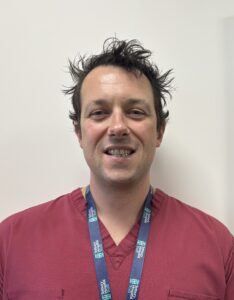
I trained in echocardiography at the Bristol Heart Institute and am accredited by the British Society of Echocardiography (BSE). I furthered my studies at the University of Bristol, where I gained a Distinction in MSc Translational Cardiovascular Medicine.
I perform and report on over 5,000 echocardiograms each year, assessing a broad spectrum of cardiac conditions in both community and hospital settings. My practice is focused on delivering accurate, high-quality cardiac imaging to support timely diagnosis and patient care.
In addition to my clinical work, I have contributed to cardiovascular research and have published in peer-reviewed medical journals.
Clinical interests
Bipolar Affective Disorder
Depressive Disorder
Anxiety Disorder
Schizophrenia
Obsessive Compulsive Disorder
Post Traumatic Stress Disorder
Academic background
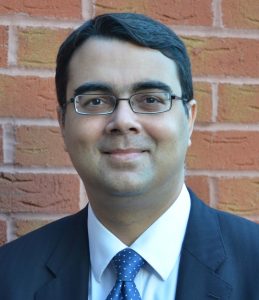
Dr Uppal completed his undergraduate medical training in 1995 and subsequently worked in Primary Care and General Medicine before specialising in Psychiatry. He completed his basic and specialist training locally in Gloucestershire in the Severn Deanery. He is on the GMC Specialist Register with accreditation in General Adult Psychiatry and an endorsement in Rehabilitation Psychiatry.
During his training Dr Uppal had the opportunity to work under the supervision of Professor David Nutt in the Psychopharmacology Unit in BRI, Bristol and Dr Jonathan Bird in the Neuropsychiatry Unit in the Burden Centre, Frenchay Hospital, Bristol. He has also done the Foundation Course in Cognitive Behavior Therapy Skills from the Oxford Cognitive Therapy Centre.
Dr Uppal is experienced in the assessment and management of both common mental disorders and serious mental illnesses. His first appointment as Consultant was with the Cheltenham Crisis and Home Treatment Team from January 2010 to July 2013 where he managed patients with both common and severe mental disorders in the community as well as inpatients. In August 2013 he was appointed as Consultant to the Gloucester and Forest of Dean Assertive Outreach Team managing patients with severe and enduring mental illnesses.
Dr Uppal has a keen interest in medical education and management. He has served as Postgraduate Tutor (November 2010 – August 2013), Director of Medical Education (August 2013 – November 2017) and was appointed as Medical Director in 2gether NHS Foundation Trust on 1st December 2017. He was appointed as joint Medical Director 2gether NHS Foundation Trust and Gloucestershire Care Services NHS Trust in February 2019 and then as Medical Director in Gloucestershire Health and Care NHS Foundation Trust in October 2019.
Professional memberships
Fellow – Royal College of Psychiatrists
NHS base
Pullman Place, Great Western Road, Gloucester
Clinic Times
Mondays – 6 to 8pm and Saturdays – 10am to 12pm by prior appointment.
Referral from GP or any other clinician is essential.
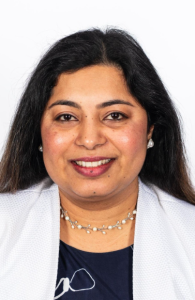
MBBS, MRCP (London), MRCGP (London), DFSRH, FRCP (Edin), PGDip Diabetes (Cardiff)
Dr. Hosur is a highly experienced General Practitioner with over 20 years of service in the NHS. She has been working in Cheltenham since 2017 and has been a GP Partner in Weston House Practice since 2020. She completed her MBBS from Bangalore, India, in 2000 and initially trained as a physician in the NHS. After working in hospitals across Wales and the Southwest of England for three years, she attained her MRCP. She transitioned to General Practice through the Kent, Surrey, and Sussex VTS programme, achieving her MRCGP in 2010.
With additional qualifications in women’s health, diabetes, and an FRCP, Dr. Hosur delivers expert, patient-centered care. She has a particular interest in managing long-term conditions such as diabetes, elderly care, palliative care, care home patient support, and joint injections. She was clinical lead for NHS Diabetes Prevention Programme for Gloucestershire County for 6 years. Alongside her clinical work, she has held various leadership and management roles within the NHS and local surgeries. She is widely respected for her compassionate and holistic approach to patient care.
Outside her professional life, Dr. Hosur enjoys cooking, walking, dancing, and spending quality time with her family and friends. She is married and a proud mother of two daughters.
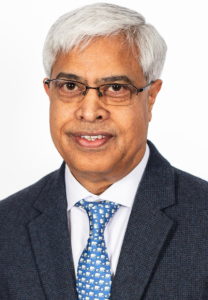
MBBS, D’Ortho, FRCS, CSEM, CIDC
My journey in medicine began long before I joined the NHS over three decades ago. I was born and raised in India, where I studied medicine at GSVM Medical College in Kanpur and started my career in the private healthcare sector. I later moved to the UK, where I undertook further training in orthopaedics and earned my Fellowship from the Royal College of Surgeons in Ireland.
Throughout my career, I’ve had the privilege of working across England — from Newcastle upon Tyne and South Shields in the North East, to Bury St Edmunds in the East, and Burton upon Trent in the Midlands — before eventually settling in Cheltenham. These diverse experiences have given me a broad perspective on healthcare and a deep appreciation for the varied needs of different communities.
My commitment to ongoing learning has shaped my practice over the years. I hold additional qualifications in Sports and Exercise Medicine from Barts and The London School of Medicine and Dentistry (Queen Mary University of London), and in Diabetes Care from Warwick Medical School. After many years working in hospital settings ,I transitioned to General Practice to serve the wider community.
In my role as a GP, I am particularly passionate about men’s health, cardiovascular health, and diabetes management. I take a holistic, evidence-based approach to care and enjoy supporting patients in making sustainable, long-term changes to improve their wellbeing. I remain deeply interested in prevention and health promotion and always strive to keep learning.
Outside of work, I enjoy reading, travelling, and spending quality time with my wife and our two adult children. We love family holidays whenever our schedules align. I’m also a keen follower of cricket (more watching than playing these days!), and I stay active with walking and yoga — often in the company of our energetic and much-loved family dog.
I’m excited to begin this new chapter and look forward to welcoming you to the practice.

MBBS, MRCP (London), DFSRH, DCH
Dr. Junemani is a highly experienced GP with over 20 years of experience in the medical field. She graduated with an MBBS from Bangalore, India and went on to train as a GP in Gloucestershire. With additional qualifications in children’s health, menopause, sexual health, and contraception, Dr Junemani provides expert, well-rounded care to her patients. Known for her compassionate approach, she is committed to the health and well-being of local families. Outside of work, she enjoys gardening, tending to her allotment, Indian classical dance and exploring the Cotswolds with her trusty dog. Dr Junemani is married and has two children.
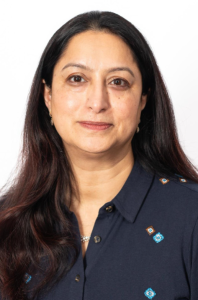
MBBS, MRCGP, DFSRH, DRCOG
Dr Meenakshi Raina is an experienced GP with more than 20 years of clinical experience in the NHS. After graduating in medicine from India in 1997, she moved to the UK in 2000. She trained in various hospital specialties and completed her post-graduate training in General Practice from South Yorkshire (MRCGP), where she was a GP partner before relocating to Cheltenham. She has special interest in diagnosing and treating conditions affecting women and children and has additional qualifications from the Faculty of Sexual and Reproductive Healthcare (DFSRH) and a Diploma from the Royal College of Obstetricians & Gynaecologists (DRCOG). She specialises in Menopause and provides comprehensive contraceptive care. She lives locally and is a mother of 2. She has a passion for gardening and loves dogs.